Bwindi National Park: Uganda’s UNESCO World Heritage Mountain Gorilla Sanctuary
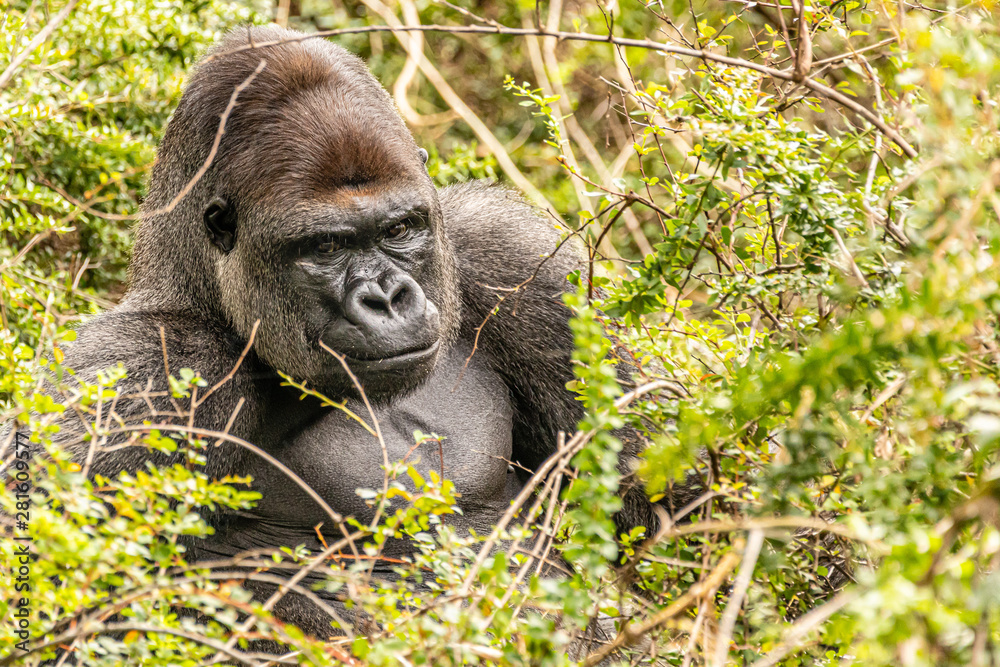
Bwindi National Park stands as Uganda’s most iconic wildlife destination, renowned worldwide for harboring over half of the remaining mountain gorillas on Earth. Located in southwestern Uganda, Bwindi National Park offers one of Africa’s most profound wildlife experiences—the opportunity to trek through ancient rainforest and encounter endangered mountain gorillas in their natural habitat. This UNESCO World Heritage Site represents the pinnacle of primate conservation and ecotourism, attracting thousands of visitors annually who seek transformative encounters with our closest living relatives.
Location of Bwindi National Park
Bwindi National Park is situated in southwestern Uganda, straddling the districts of Kabale, Kanungu, and Kisoro along the edge of the Albertine Rift Valley. The park lies approximately 530 kilometers from Kampala, Uganda’s capital city, requiring an 8-10 hour drive through some of the country’s most scenic landscapes. Bwindi National Park borders the Democratic Republic of Congo to the west and sits near Rwanda’s northern boundary, making it accessible from multiple entry points including Kigali, Rwanda’s capital, which is only 4-5 hours away by road.
The park encompasses 331 square kilometers of mountainous terrain covered in ancient montane and lowland forest, with elevations ranging from 1,160 to 2,607 meters above sea level. This variation in altitude creates diverse microclimates within Bwindi National Park, supporting exceptional biodiversity. The park features four main sectors for gorilla trekking: Buhoma in the north, Ruhija in the east, Rushaga in the south, and Nkuringo in the southern region, each offering unique trekking experiences and forest characteristics.
Mountain Gorillas: The Stars of Bwindi National Park
Bwindi National Park protects approximately 459 mountain gorillas, representing roughly half of the world’s remaining population of this critically endangered species. These magnificent primates, sharing 98% of their DNA with humans, live in habituated family groups led by dominant silverback males who can weigh up to 220 kilograms. The gorillas at Bwindi National Park have been carefully habituated to human presence through a gradual process taking 2-3 years, allowing visitors to observe them at close range without causing stress or disrupting their natural behaviors.
Each gorilla family in Bwindi National Park exhibits unique dynamics, personalities, and social structures. Silverbacks demonstrate remarkable gentleness with infants despite their impressive size and strength, while females nurture their young with touching tenderness. Juvenile gorillas entertain observers with playful antics, wrestling, chest-beating, and acrobatic displays that reveal their intelligence and social complexity. Watching these endangered primates feed on wild celery, bamboo shoots, and various forest vegetation provides insights into their dietary habits and the forest ecosystems they depend upon.
Wildlife and Animal Species in Bwindi National Park
Beyond mountain gorillas, Bwindi National Park harbors extraordinary biodiversity that qualifies it as one of Africa’s most important conservation areas. The park protects 120 mammal species, including several other primate species that enhance the forest trekking experience. Black-and-white colobus monkeys swing gracefully through the canopy, their distinctive long white tails flowing behind them. L’Hoest’s monkeys, blue monkeys, red-tailed monkeys, and vervet monkeys inhabit various forest zones within Bwindi National Park, each adapted to specific ecological niches.
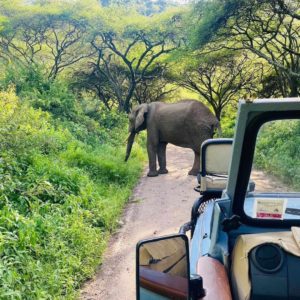
Chimpanzees, humanity’s closest living relatives, also call Bwindi National Park home, though they’re less frequently encountered than in other Ugandan parks due to the dense forest cover. Forest elephants occasionally traverse the park, though these shy creatures are rarely seen by visitors. Other mammals include forest buffaloes, various duiker species (small forest antelopes), bushbucks, giant forest hogs, and numerous small mammals like tree hyrax whose eerie nighttime calls echo through the forest.
The primate diversity at Bwindi National Park extends beyond the famous mountain gorillas, with the park protecting 13 primate species in total, making it one of the highest primate diversity sites in Africa. This includes rare species like the mountain monkey and the endangered eastern needle-clawed galago, demonstrating the park’s crucial role in broader primate conservation.
Bird Species in Bwindi National Park
Bwindi National Park ranks among Africa’s premier birding destinations, with over 350 recorded bird species including 23 Albertine Rift endemics found nowhere else on Earth. These endemic species make Bwindi National Park a pilgrimage site for serious birdwatchers seeking rare species. Notable endemics include the African green broadbill, Shelley’s crimsonwing, bar-tailed trogon, and the stunning Rwenzori turaco with its brilliant crimson flight feathers.
The diverse elevation zones within Bwindi National Park create varied habitats supporting different bird communities. Forest canopy specialists like great blue turacos announce their presence with deep, booming calls, while sunbirds dart among flowering plants seeking nectar. Hornbills, particularly the impressive black-and-white casqued hornbill, provide memorable sightings with their distinctive calls and flight patterns.
Reptile and Amphibian Species in Bwindi National Park
While less celebrated than its mammal and bird populations, Bwindi National Park harbors significant reptile and amphibian diversity. The park’s forests shelter various chameleon species, including Jackson’s chameleon with its distinctive three horns and the ability to change colors for camouflage and communication. Forest skinks, geckos, and numerous snake species inhabit different ecological zones within Bwindi National Park, from forest floor to canopy.
Amphibian diversity at Bwindi National Park includes several endemic frog species found only in the Albertine Rift region. The park’s streams and wetlands provide crucial habitats for these moisture-dependent creatures, many of which display fascinating reproductive strategies and behaviors. While encountering these species requires patience and often specialized guides, their presence indicates the forest’s ecological health and complexity.
Bwindi National Park Entrance Fees
Understanding Bwindi National Park entrance fees helps visitors budget appropriately for their mountain gorilla adventure. The park entrance fee for foreign non-residents is $40 USD per person per day, while foreign residents pay $30 USD. East African citizens enjoy significantly reduced rates of 20,000 Ugandan Shillings (approximately $6 USD). These entrance fees are separate from gorilla trekking permits, which constitute the major expense for most visitors to Bwindi National Park.
Gorilla trekking permits for Bwindi National Park cost $800 USD per person for foreign non-residents, $700 USD for foreign residents, and 300,000 Ugandan Shillings for East African citizens. These permits are in high demand and should be booked well in advance—typically 3-6 months before your intended visit date, and even earlier during peak seasons (June-September and December-February). Each permit allows one hour with a habituated gorilla family, with only eight permits issued per family daily to minimize disturbance.
For those seeking extended gorilla experiences, Bwindi National Park offers gorilla habituation experiences in the Rushaga sector, where visitors spend up to four hours with gorilla families still undergoing habituation. These permits cost $1,500 USD for foreign non-residents, providing deeper insights into gorilla behavior and conservation methodologies.
Activities in Bwindi National Park
While gorilla trekking dominates most itineraries, Bwindi National Park offers diverse activities that reveal the forest’s full ecological richness. Birding walks with specialized guides help visitors identify rare Albertine endemics and other forest species. Nature walks along designated trails showcase the park’s botanical diversity, including over 200 tree species and numerous medicinal plants used traditionally by local communities.
Community walks around Bwindi National Park provide cultural enrichment, allowing visitors to meet the Batwa people—indigenous forest dwellers who lived in these forests for millennia before the park’s establishment. The Batwa cultural experience includes traditional performances, forest skills demonstrations, and stories that illuminate the deep connections between people and nature. These community tourism initiatives ensure that local populations benefit from gorilla conservation, creating crucial support for Bwindi National Park’s protection.
Best Time to Visit Bwindi National Park
Bwindi National Park welcomes visitors year-round, though certain periods offer advantages. The dry seasons (June-August and December-February) provide easier trekking conditions with less muddy trails and reduced rainfall. However, these popular periods see higher visitor numbers and require earlier permit bookings. The wetter seasons (March-May and September-November) present more challenging trekking conditions but offer advantages including lower accommodation rates, fewer crowds, and lush forest scenery with abundant fruiting trees that attract diverse wildlife.
Mountain gorillas remain accessible throughout the year in Bwindi National Park regardless of season, as the habituated families stay within defined territories. The forest’s beauty transforms with seasons—the wet season brings vibrant greenery and active breeding behaviors among birds, while the dry season offers clearer photography conditions and easier wildlife spotting.
How to Book Your Bwindi National Park Adventure Through Trip Car Rental Uganda
Booking your Bwindi National Park experience through Trip Car Rental Uganda ensures seamless logistics for this bucket-list adventure. Trip Car Rental Uganda specializes in gorilla trekking safaris, offering comprehensive packages that include reliable 4×4 vehicle rentals, professional driver-guides with intimate knowledge of routes to Bwindi National Park, and assistance with gorilla permit procurement—a crucial service given permit scarcity and booking complexity.
Trip Car Rental Uganda provides flexible booking options tailored to your schedule and preferences for visiting Bwindi National Park. Contact their team via WhatsApp, email, or phone to discuss your requirements. Whether you prefer self-drive adventure or chauffeur-driven comfort, Trip Car Rental Uganda offers suitable vehicles for the challenging roads leading to National Park. Their 4×4 fleet includes Land Cruisers, Safari Land Cruisers with pop-up roofs, and other robust vehicles capable of handling the mountainous terrain surrounding the park.
When booking through Trip Car Rental Uganda, you benefit from their expertise in creating optimal itineraries that maximize your National Park experience. They recommend appropriate accommodation near your trekking sector, suggest ideal trek durations based on fitness levels, and coordinate all logistics including permit collection, park entrance, and guide assignments. Trip Car Rental Uganda also facilitates combination safaris that pair National Park with other Ugandan highlights like Queen Elizabeth National Park, Lake Mburo National Park, or Rwanda’s Volcanoes National Park for comprehensive East African adventures.
Trip Car Rental Uganda’s knowledge of Bwindi National Park’s four sectors helps match visitors with appropriate trekking experiences. Buhoma sector offers well-developed infrastructure and easier access, while Nkuringo and Rushaga provide more adventurous trekking through steeper terrain. Their guidance ensures you select the optimal sector based on your physical fitness, accommodation preferences, and desired experience intensity.
Accommodation Near Bwindi National Park
National Park is surrounded by diverse accommodation options catering to various budgets and comfort preferences. Luxury lodges offer spectacular forest views, gourmet dining, and exceptional service, providing restful sanctuaries after challenging gorilla treks. Mid-range lodges balance comfort with affordability, while budget options ensure Bwindi National Park remains accessible to budget-conscious travelers. Trip Car Rental Uganda assists with accommodation recommendations and bookings, ensuring lodging matches your preferences and trekking sector.
Conservation Impact of Visiting Bwindi National Park
Every visit to Bwindi National Park contributes directly to mountain gorilla conservation and community development. Gorilla permit fees fund anti-poaching patrols, veterinary care for injured gorillas, habitat protection, and research programs that inform conservation strategies globally. Twenty percent of permit revenue supports local communities through infrastructure development, schools, health centers, and livelihood programs, creating economic incentives for protecting Bwindi National Park rather than exploiting its resources.
Bwindi National Park represents one of Earth’s most precious natural treasures, protecting critically endangered mountain gorillas alongside extraordinary biodiversity including 120 mammal species, 350 bird species, numerous reptiles, and amphibians within ancient montane forests. Located in southwestern Uganda with reasonable entrance fees of $40 USD for foreign visitors plus gorilla permit costs, National Park offers transformative wildlife encounters that inspire lifelong conservation commitment. Booking your National Park adventure through Trip Car Rental Uganda ensures professional service, reliable transportation, expert guidance, and seamless logistics that allow you to focus entirely on the profound experience of meeting mountain gorillas in their natural habitat. Whether you’re a wildlife enthusiast, photographer, or simply seeking meaningful connections with nature, National Park delivers experiences that resonate long after you’ve left its misty forests.