How to Choose the Right Rental Car for a Uganda Safari
How to Choose the Right Rental Car for a Uganda Safari
Choosing the right rental car for a Uganda safari can make a big difference to your entire trip. Uganda has beautiful national parks, wildlife reserves, forests, mountains, and countryside roads, but not every destination is reached in the same way. Some roads are smooth and easy to drive on, while others can be rough, muddy, or full of potholes, especially during the rainy season.
If you are planning to visit Murchison Falls National Park, Queen Elizabeth National Park, Bwindi Impenetrable National Park, or any other safari destination, it is worth thinking carefully about the vehicle you hire. The right car should suit your route, the number of people travelling with you, your budget, and the kind of experience you want.
Here is how to choose a rental car for your Uganda safari without spending more than necessary or ending up with a vehicle that does not suit your plans.
Consider Where You Are Going on Safari
Before choosing a rental car, think about the places you want to visit. Your destination is one of the most important factors because road conditions vary across Uganda.
If your trip mainly involves Kampala, Entebbe, Jinja, or other towns with generally accessible roads, a standard car may be sufficient. You may not need to pay extra for a large 4×4 if your itinerary does not involve difficult terrain.
However, if you are travelling to national parks, remote lodges, or areas with rough access roads, a 4×4 rental car may be a better option. Destinations such as Kidepo Valley National Park and some routes around Bwindi can involve challenging road conditions.
During the rainy season, some roads become muddy and slippery, making ground clearance and traction particularly important. Ask your car rental company about the condition of the roads on your planned route before making a booking.
Decide Whether You Need a 4×4 Rental Car
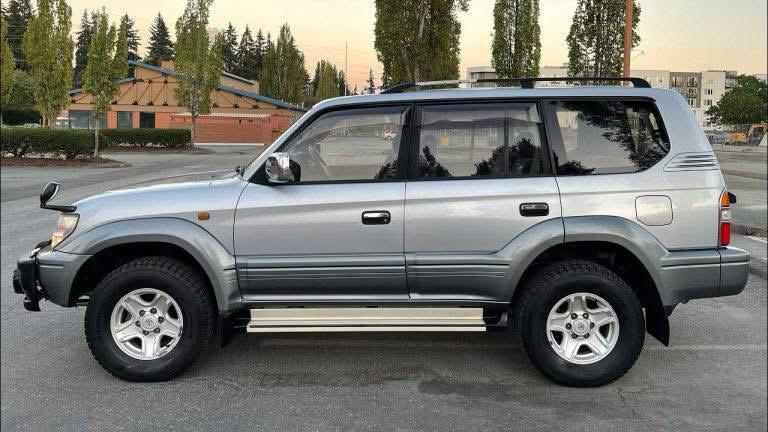
A 4×4 is a popular choice for Uganda safaris because it is designed to provide traction to all four wheels when needed. This can be useful when driving on uneven roads, muddy tracks, and some rural routes.
If you are planning a self-drive safari through several national parks, a 4×4 can give you greater flexibility. It is particularly worth considering if your itinerary includes remote accommodation or travel during rainy months.
However, not every safari requires a 4×4. If you are staying in accessible locations and following mostly paved roads, a smaller vehicle may be enough.
Remember that having a 4×4 does not mean you can drive through every muddy road or flooded area safely. Road conditions, tyre condition, driver experience, and the vehicle’s capabilities all matter.
Before booking, explain your itinerary to the rental company and ask which vehicle is suitable for the roads you intend to use.
Choose a Car That Fits Your Group
The number of people travelling with you should influence your choice of rental car. A vehicle that works well for a couple may not be comfortable for a family or a group of friends travelling together.
For two people, a smaller SUV or suitable 4×4 may provide enough space for passengers and luggage. Families or groups may need a larger vehicle with more seats and room for bags.
Think about the luggage you will carry, too. Safari trips often involve backpacks, cameras, jackets, and other equipment. A car may have enough seats for everyone but still lack sufficient luggage space.
If you are travelling with children or older family members, consider how easy it is to enter and exit the vehicle. Comfort becomes especially important when spending several hours on the road.
Always confirm the number of available seats and the luggage capacity before paying for your rental.
Think About the Type of Safari You Want
Your safari plans can also help you decide which vehicle to hire.
If you are planning a wildlife safari in Murchison Falls or Queen Elizabeth National Park, you may need a vehicle that can handle park access roads and provide enough comfort for long drives. If you intend to explore several destinations, reliability and luggage space become even more important.
For gorilla trekking in Bwindi Impenetrable National Park, you will need to consider the roads leading to your accommodation and the trekking sector you plan to visit. Some access roads can be steep or rough, so asking about a suitable vehicle is a good idea.
If your trip includes camping, you may prefer a vehicle with enough room for camping equipment or a suitable rooftop tent setup. Confirm exactly what equipment is included in the rental package rather than assuming it comes with the vehicle.
Choosing a car based on your actual plans will help you avoid paying for features you do not need.
Decide Between Self-Drive and Car Hire with a Driver
Another important decision is whether you want to drive yourself or hire a car with a driver.
Self-drive car rental in Uganda is suitable for travellers who want independence and enjoy exploring at their own pace. You can decide when to leave, where to stop, and how much time to spend at different destinations. However, you should be comfortable driving in unfamiliar conditions and planning your own routes.
Hiring a car with a driver may be a better choice if you are visiting Uganda for the first time, prefer not to navigate unfamiliar roads, or want someone else to handle the driving.
A driver familiar with local routes can also help you understand journey times and road conditions. This may be particularly useful when travelling between national parks.
Consider your driving experience, confidence, and personal preferences before deciding which option works best for your safari.
Check the Condition of the Rental Car Before Leaving
Even when you have chosen the right type of vehicle, it is important to check its condition before starting your trip.
Inspect the tyres and make sure the spare tyre is available. Check that the headlights, indicators, brake lights, and windscreen wipers work properly. Look for visible damage and take photos or videos before leaving the rental company’s premises.
Ask how to use the vehicle’s basic controls, including four-wheel drive settings if applicable. Make sure you know whom to contact if the car develops a problem during your journey.
You should also check the fuel level and ask about the type of fuel the vehicle uses. If you are heading to remote areas, plan your fuel stops rather than assuming that a petrol station will always be nearby.
Taking a few minutes to complete these checks can help you begin your safari with greater confidence.
Book Your Uganda Safari Rental Car with Trip Car Rental Uganda
Choosing the right rental car for a Uganda safari comes down to matching the vehicle to your destination, road conditions, group size, budget, and travel plans. A smaller car may work well for accessible routes, while a 4×4 can be a more practical choice for remote destinations and challenging roads.
Take time to compare your options, check the rental conditions, and ask questions before booking. The goal is to find a vehicle that makes your journey comfortable and allows you to focus on enjoying Uganda’s wildlife and scenery.