The Ultimate Car Rental Check List for a Safe Ugandan Adventure
adminGen September 5, 2026
To ensure your journey is memorable for all the right reasons, we at Trip Car Rental Uganda have compiled the definitive car rental check list. This isn’t just a quick glance at the exterior; this is a thorough, systematic inspection designed to protect you from breakdowns, hidden fees, and safety hazards. Before you sign on the dotted line and drive off, take our expert advice and run through this essential checklist.
Why a Car Rental Check Lis is Non-Negotiable in Uganda
Uganda’s roads are as diverse as its landscapes. You will transition from well-paved highways in Kampala to challenging, rugged dirt tracks in national parks, especially during the rainy season. A car that performs beautifully on city roads might struggle significantly on a safari route. The pre-rental inspection isn’t about being distrustful of your rental company; it’s about being a responsible traveler.
At Trip Car Rental Uganda, we pride ourselves on a well-maintained fleet, but we believe in transparency. By taking the time to inspect your vehicle together, we both get a clear picture of its condition, preventing any disputes upon return. The guide below is your best tool for a safe and hassle-free trip.
Your Comprehensive Pre-Rental Car Check List
Please conduct this inspection with a company representative present. This ensures any pre-existing issues are noted in the rental agreement and mutually acknowledged. Do not skip any steps.
1. Exterior Condition and Body
-
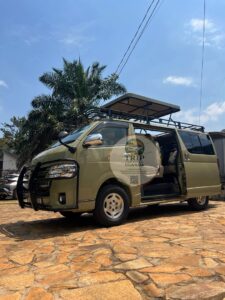
Body Condition: Walk slowly around the entire vehicle. Examine the body panels for dents, scratches, rust, and paint inconsistencies. Pay close attention to bumpers, doors, and wheel arches. Action: Take photos or a video with a timestamp of the car’s condition to document any pre-existing damage.
-
Check Nuts for Tightness: While you cannot physically check every bolt, a visual inspection of wheel nuts and general body panel alignment can reveal if the vehicle has been poorly maintained.
-
Check Mud Flaps Condition: Ensure mud flaps are securely attached. They are crucial for protecting the body (and the vehicles behind you) from stones and mud on rough roads.
-
Check for All Leaks: Look under the vehicle for any signs of fluid leaks (oil, coolant, fuel) on the ground.
-
Check Fuel Tank Cap Secured: Ensure the fuel cap is present and locks securely.
2. Tires, Suspension, and Wheels
-
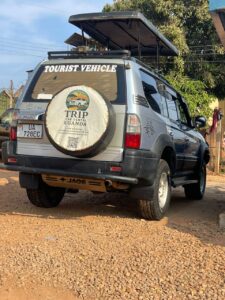
Tires/Tyres (including Spare): Check all tires for tread depth, even wear, and visible damage like cuts, bulges, or cracks. Properly inflated tires are vital for grip, fuel economy, and preventing punctures on Uganda’s roads.
-
Wheel Spanner & Jack: Confirm the presence and condition of a functional jack and wheel spanner. Ask the agent to demonstrate how to use them if you are unsure.
-
Suspension (Shocks, Leaf & Coil Springs): While stationary, push down firmly on each corner of the vehicle. It should bounce back smoothly and stop quickly. Listen for any unusual creaking or knocking sounds, which could indicate a problem with the shock absorbers or springs, especially critical for rough terrain.
3. Mechanical and Engine Checks
-
Engine Condition: Start the engine and listen for any unusual noises like knocking, pinging, or excessive rattling. The engine should idle smoothly.
-
Oil Levels: Pull out the dipstick, wipe it clean, reinsert it, and check the oil level. It should be between the minimum and maximum marks.
-
Coolant Levels: Check the coolant reservoir; the level should be near the “Full” mark when the engine is cool. Never open the radiator cap when the engine is hot.
-
Power Steering Fluids: Check the power steering fluid reservoir; ensure the level is adequate to prevent steering issues.
-
Fuel Gauges: Turn the key to the ‘on’ position and note the fuel level. Confirm the company’s fuel policy (e.g., full-to-full). The gauge should be working correctly.
-
Battery Condition/Connectors: Inspect the battery for any visible corrosion on the terminals and ensure the connectors are securely fastened. A loose connection can cause starting problems.
4. Interior, Comfort, and Safety Systems
-
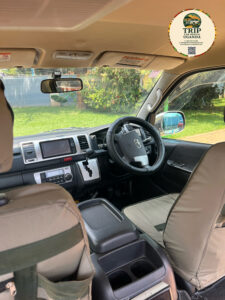
Cleanness Of Interior: Check the cabin for excessive dirt, stains, or unpleasant odors. While a minor issue, it reflects the company’s attention to detail.
-
Seats & Belts: Adjust the driver’s seat and check that all seat belts (front and rear) are present, buckle securely, and retract properly.
-
Steering: The steering wheel should feel firm and responsive, with no excessive play or strange noises when turned. A test drive will help confirm this.
-
Horn: Test the horn to ensure it works effectively. It’s a crucial tool for alerting other road users, including boda-boda riders and matatus.
-
AC Condition/Heater/Defroster: Test the air conditioning, heater, and defroster to ensure they are blowing at the correct temperature and with adequate force. The defroster is essential for safe driving in high-altitude or misty areas.
-
Side Mirrors: Ensure both side mirrors are intact, clean, and can be adjusted electronically or manually.
5. Lights and Electrical
-
Head Lights: Check both low and high beams. You will be advised to avoid night driving, but functional headlights are still vital for dusk and poor weather.
-
Tail Lights: Check that all tail lights are working.
-
Brake Lights: With a helper, press the brake pedal to ensure both brake lights illuminate correctly.
-
Turn Signals Left/Right: Test both front and rear turn signals. Ensure the indicator sound is working.
-
Windscreen Wipers Blades: Test the wipers at different speeds and spray the washer fluid. Ensure the blades are not cracked or worn, as they are crucial for visibility in sudden rain.
-
Windscreen Fluid/Washers: Check the washer fluid level and top it up if necessary.
6. Mandatory Safety Equipment
-
First Aid Kit: Verify a well-stocked first aid kit is present in the vehicle. It’s a legal requirement and a lifesaver in emergencies.
-
Fire Extinguisher: Check for the presence of a fire extinguisher and ensure it is not expired or depressurized.
-
Reflective Triangles: Confirm the vehicle has at least one functional reflective triangle. This is a legal requirement and essential for warning others in case of a breakdown.
7. The Test Drive
Before you finally accept the vehicle, take it for a short test drive on a quiet road near the depot. This is your chance to feel how the car behaves.
-
Testing: Drive forward, reverse, and navigate a few corners.
-
Listen: Pay attention to any strange noises or vibrations while accelerating and braking.
-
Feel: The brakes should feel firm and responsive. The gear shifting (if manual) should be smooth. Ensure the vehicle handles well and no dashboard warning lights appear while driving.
8. Final Sign-off: Inspect Your Rental Agreement
-
Documentation: Ensure the rental agreement includes your personal details, driver’s license number, and passport information.
-
Vehicle Condition: Ensure all noted pre-existing damage (scratches, dents) is clearly and accurately documented in the agreement and signed by both you and the rental agent.
-
Insurance: Confirm what is covered by the comprehensive insurance and any exclusions (e.g., damage to tires, undercarriage, or windscreen).
-
Driver`s Name: Ensure the driver’s name is correctly and officially recorded on the contract. Only authorized persons listed on the contract should drive the vehicle.
Taking thirty to forty-five minutes to perform this car rental check list before you depart will provide immense peace of mind. At Trip Car Rental Uganda, we want you to focus on the adventure—the breathtaking views, the magnificent wildlife, and the warm Ugandan hospitality. Your safety and satisfaction are our highest priorities. Drive safely and enjoy the Pearl of Africa